Published on:2026-05-24 Click:190
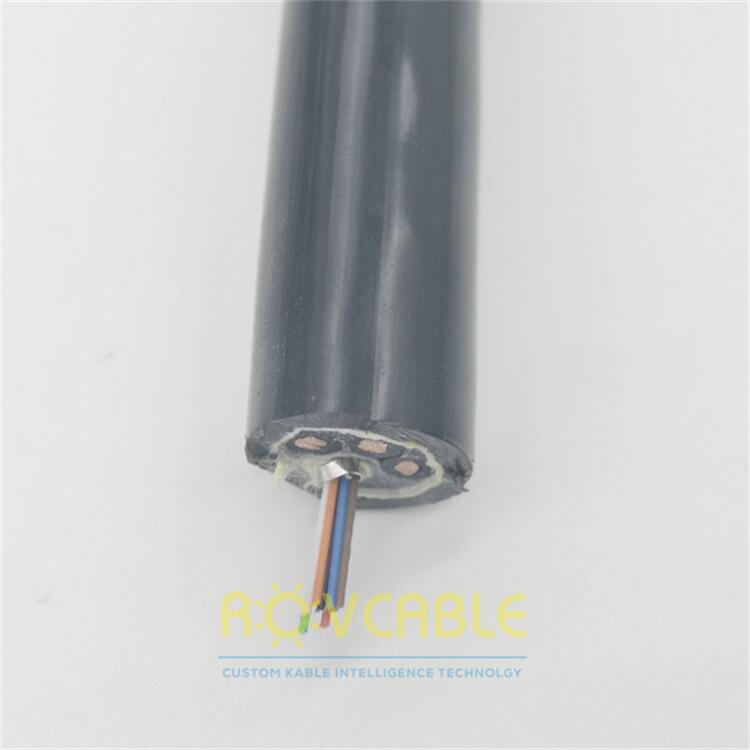
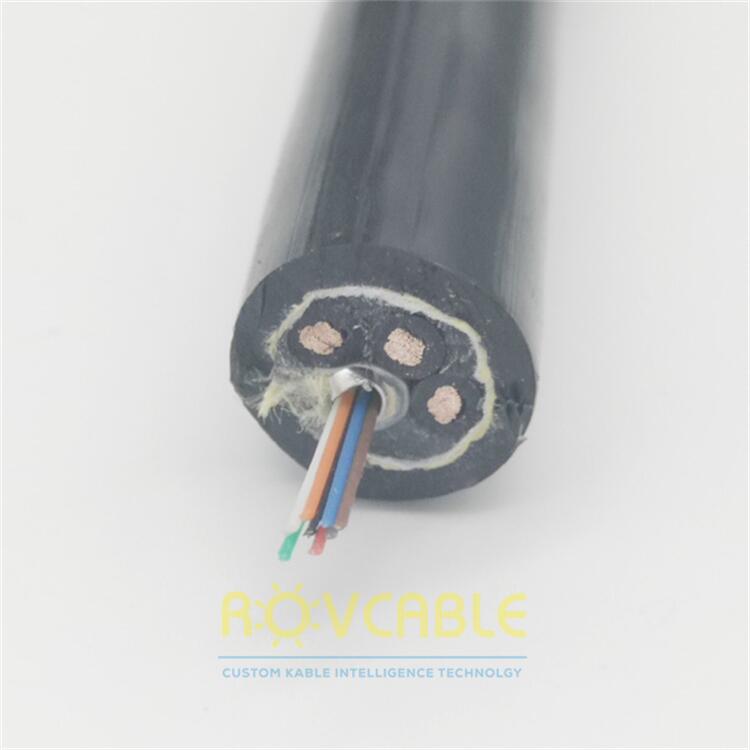
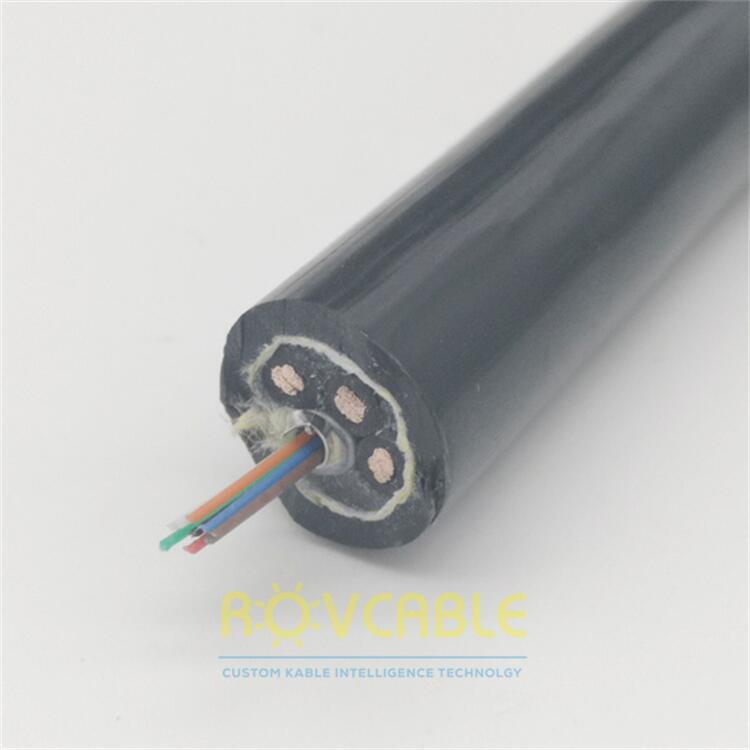
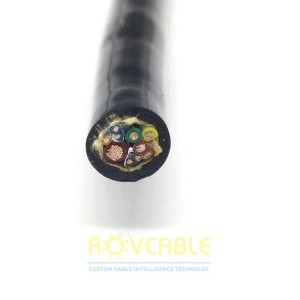
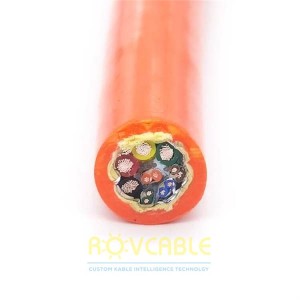
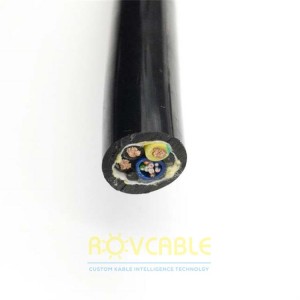
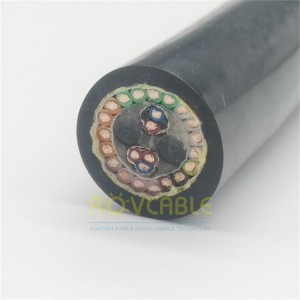
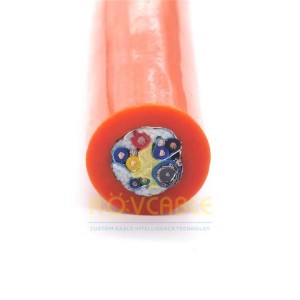
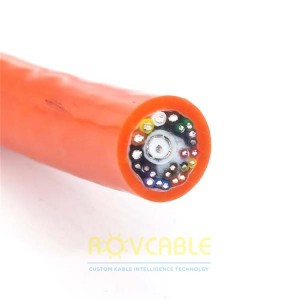
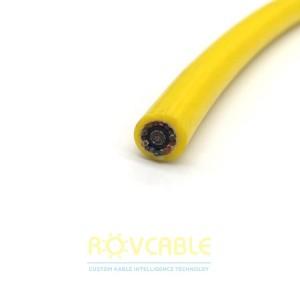
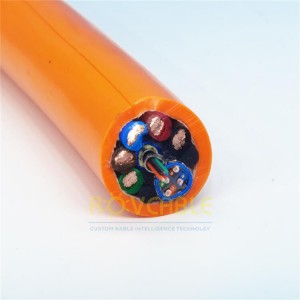
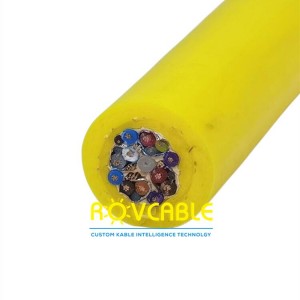
Flexible reinforced cable purpose-designed for pipe inspection robots. Kevlar or Dyneema strength member, PUR jacket, for in-pipe robot tether with tensile strength and flexibility.
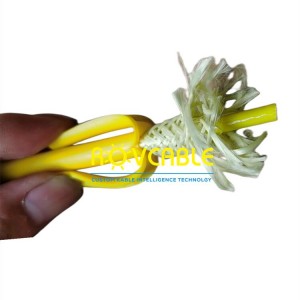
The flexible reinforced pipe robot cable is purpose-designed for in-pipe inspection robots that require the tether cable to also function as the recovery/retrieval rope. Kevlar aramid or Dyneema strength members integrated into the cable construction provide the tensile strength required to retrieve a stuck robot from a pipeline, while the high-flex PUR jacket and Class 6 conductors ensure the cable can be paid out, coiled, and re-used through many inspection cycles without cracking or conductor breakage.
| Parameter | Specification |
|---|---|
| Strength Member | Kevlar or Dyneema (MBS per spec: 200--2,000 kg) |
| Electrical Cores | Multi-core stranded tinned copper |
| Core Composition | Video coaxial + control + power (per spec) |
| Outer Jacket | Polyurethane (PUR) |
| Flexibility | High flex -- rated for sheave/drum operation |
| OD | 8--20 mm (depends on MBS and core count) |
| Colour | Yellow (standard) / black |
Request datasheet, custom length, or OEM pricing: sales@rovcable.com -- Shanghai Kabel Intelligence Technology Co., Ltd.
Calculate MBS from the maximum push/pull force of the robot plus a 4:1 safety factor. For example, a robot with 10 kg (100N) push force requires MBS of at least 400N (~40 kg). Typical pipe robots use 100--500 kg MBS. For large-diameter industrial pipe robots, 1,000--2,000 kg MBS cables are standard.
Both are synthetic high-strength fibers with similar strength-to-weight ratios. Dyneema (UHMWPE) has slightly higher UV and abrasion resistance; Kevlar (aramid) has higher temperature resistance and is more established in cable applications. Both are suitable for pipe robot cables -- Kevlar is the more common choice for this application.