Published on:2026-05-24 Click:175
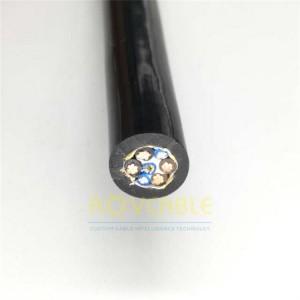
Flexible watertight underwater hybrid cable combining network and electrical conductors. PUR jacket, high-flex for ROV, underwater robots, and subsea instrument hybrid cable runs.
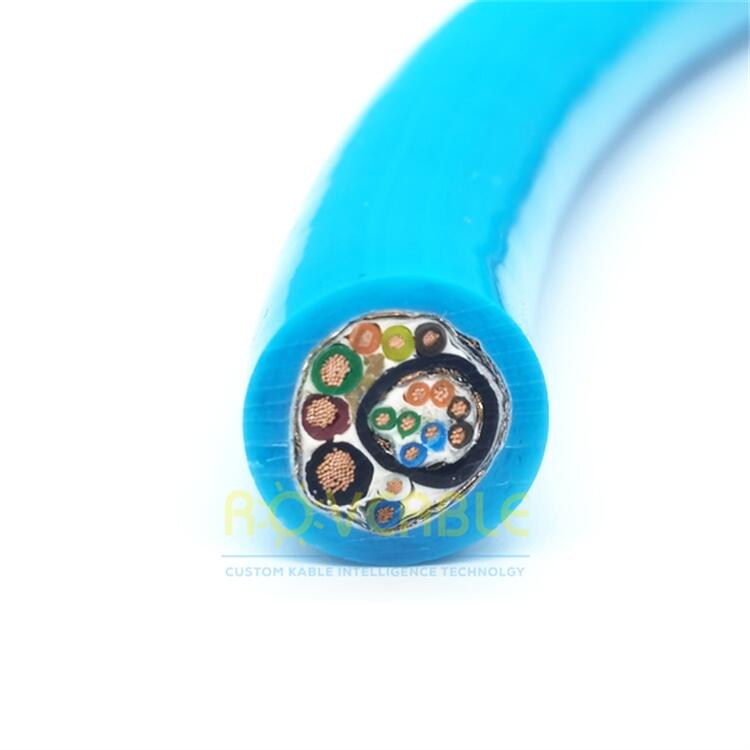
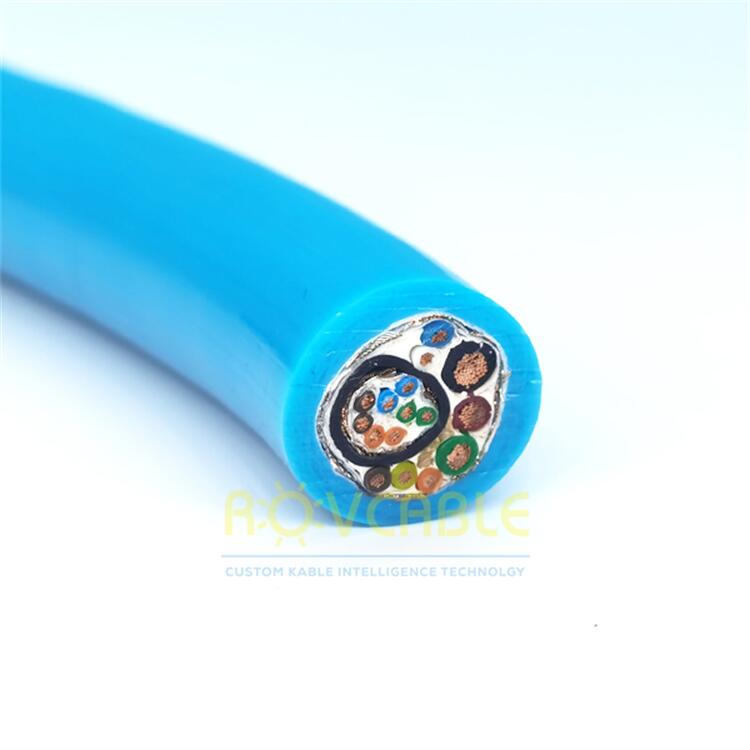
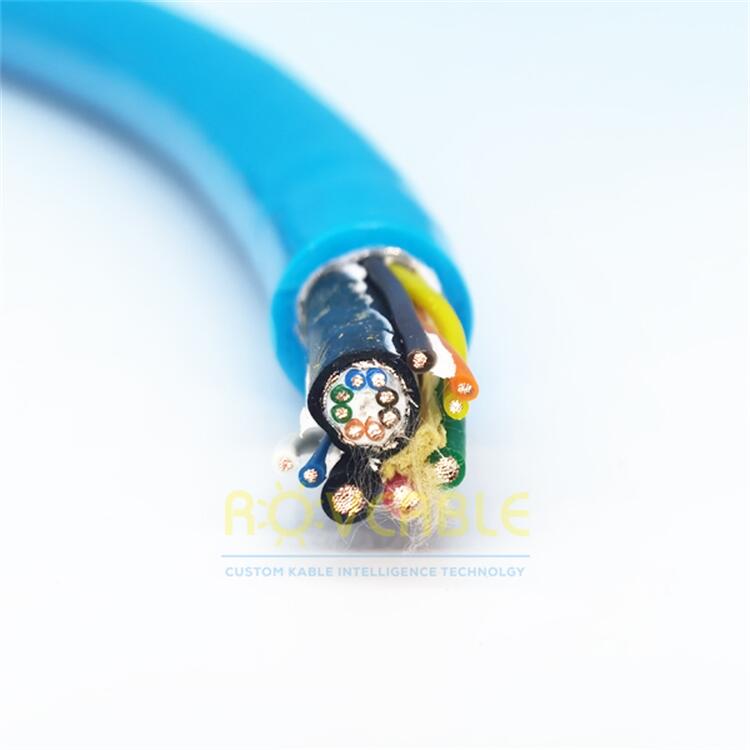
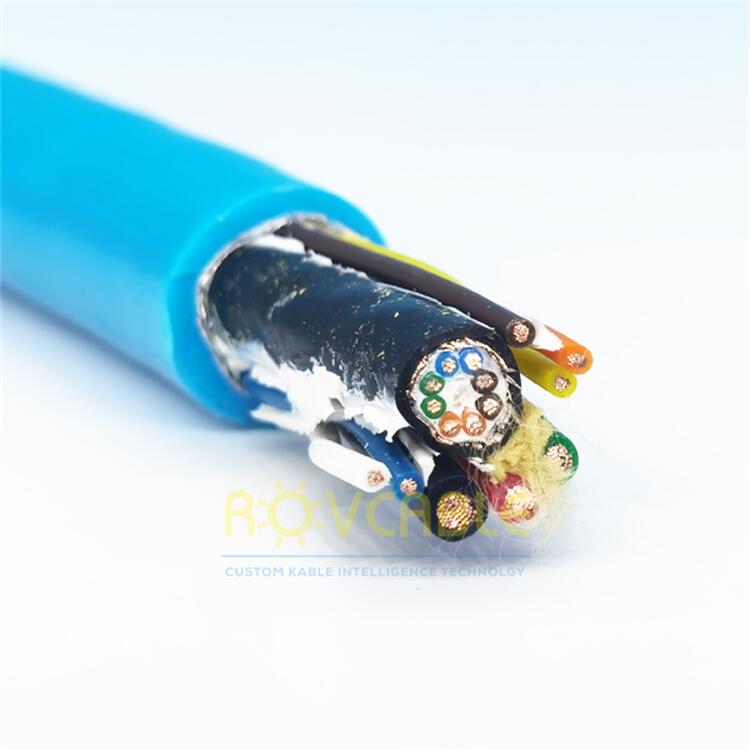
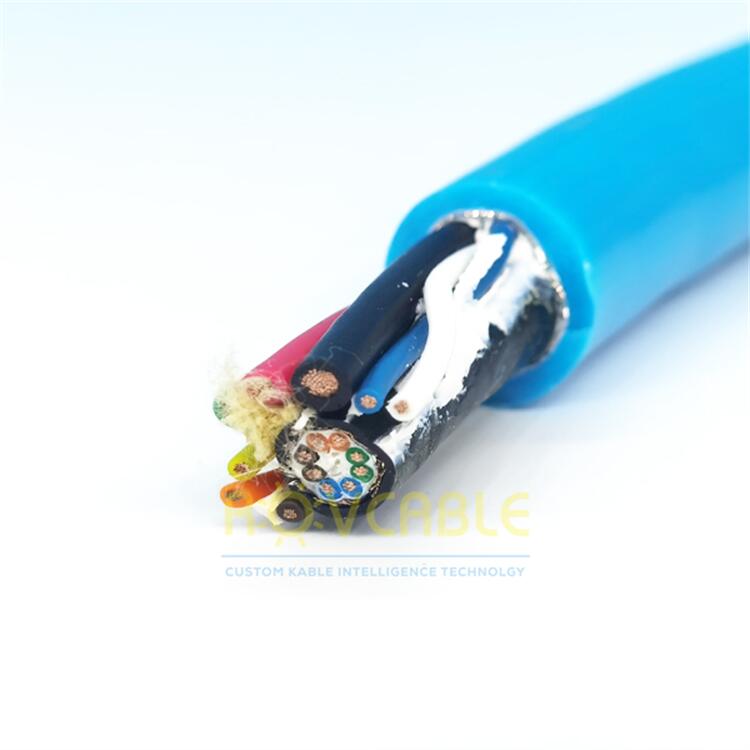
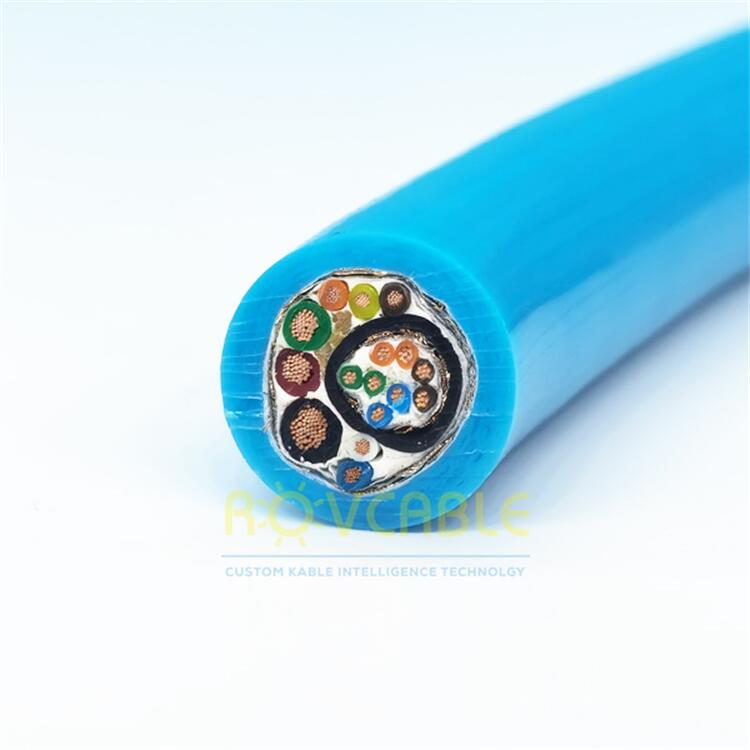
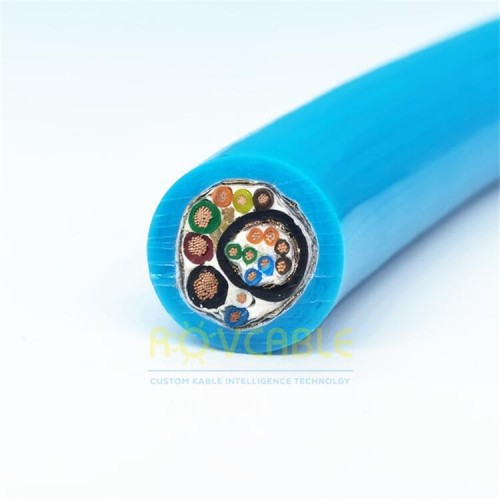
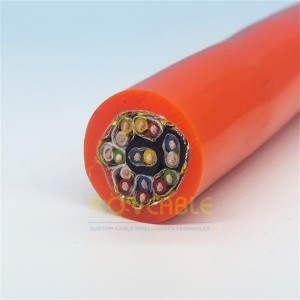
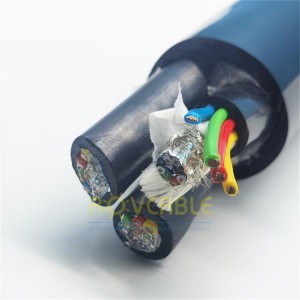
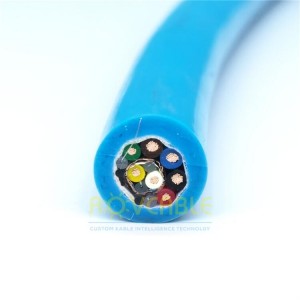
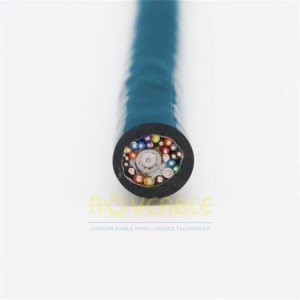
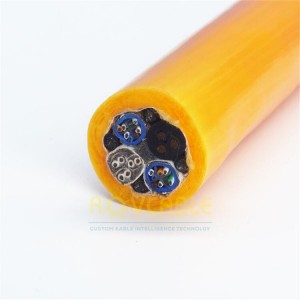
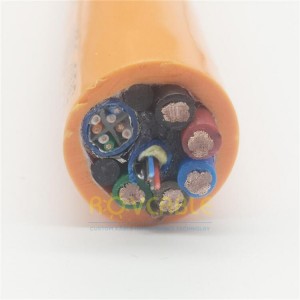
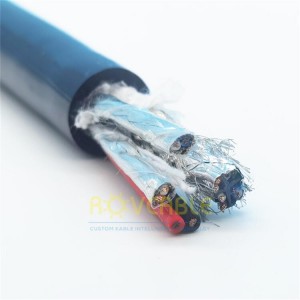
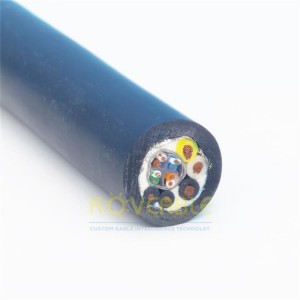
This high-flexibility watertight hybrid cable combines network-grade twisted pairs (Cat5e or Cat6 equivalent) with multi-core electrical conductors in a compact PUR-jacketed assembly. Engineered for continuous dynamic flexing in ROV tether systems, underwater robots, and moving subsea platforms, the cable maintains reliable electrical and data performance through millions of flex cycles without jacket cracking or conductor breakage.
| Parameter | Specification |
|---|---|
| Network Pairs | Cat5e or Cat6 shielded twisted pairs (specify) |
| Electrical Cores | Multi-core (size and count per spec) |
| Conductor Material | Fine-stranded tinned copper for maximum flex life |
| Insulation | PE / TPU (flex-rated) |
| Shielding | Individual pair foil + overall braid |
| Outer Jacket | Polyurethane (PUR) -- flex-rated compound |
| Flex Life | >10 million cycles at rated bend radius |
| Colour | Black |
| Custom | Core count, network standard, Kevlar strength member |
Request datasheet, custom length, or OEM pricing: sales@rovcable.com -- Shanghai Kabel Intelligence Technology Co., Ltd.
High flex performance requires: (1) fine-stranded conductors (Class 5 or Class 6 per IEC 60228) that distribute bending stress across many small strands; (2) a flex-rated PUR jacket compound that resists cracking at low temperatures; (3) an optimised lay length for the twisted pairs; (4) sufficient space in the cable core for conductors to move without compression. All four factors are designed into this cable.
For continuous dynamic flexing, the recommended minimum bend radius is 7.5x the cable outer diameter. For occasional static bending, 5x OD is acceptable. Contact us for the specific cable OD and calculated bend radius for your chosen conductor configuration.