Published on:2026-05-24 Click:194
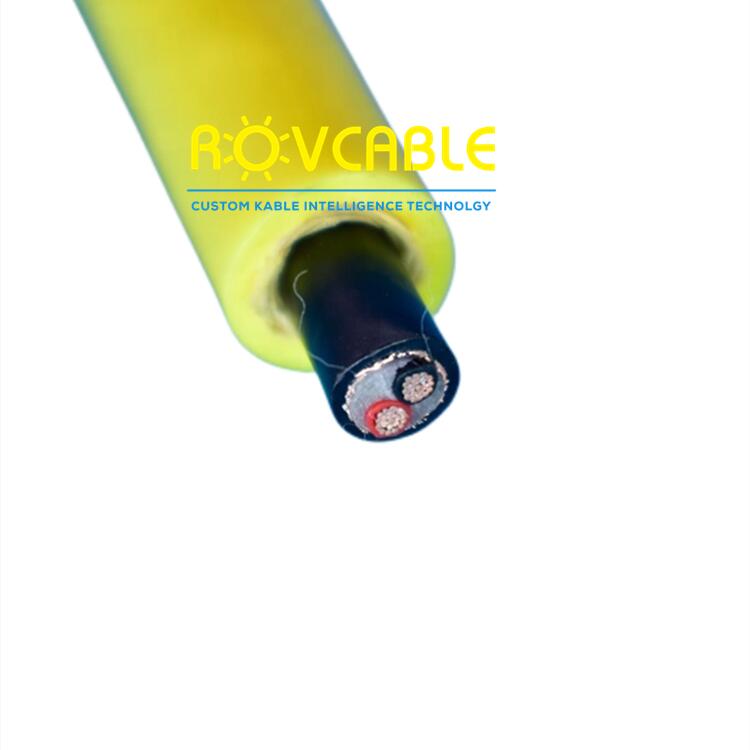
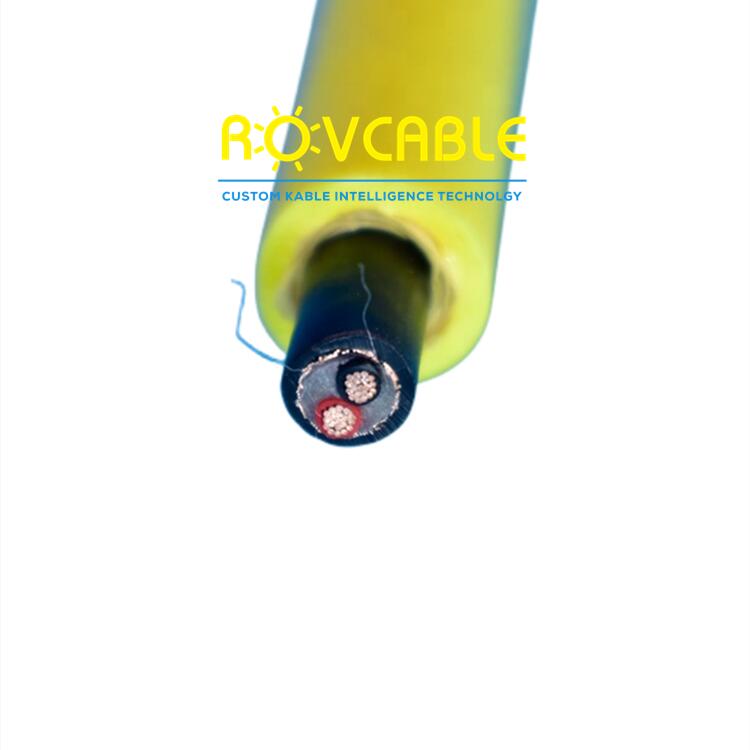
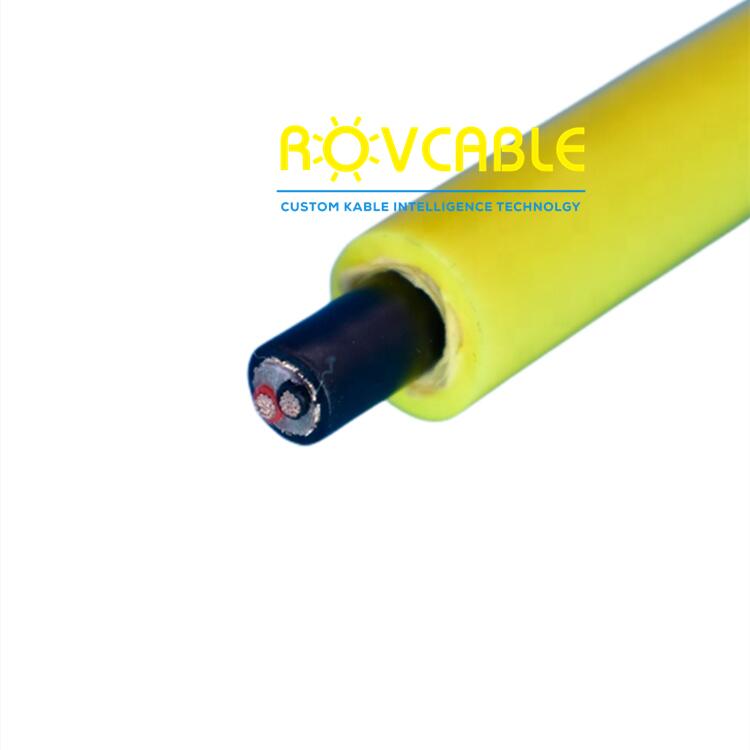
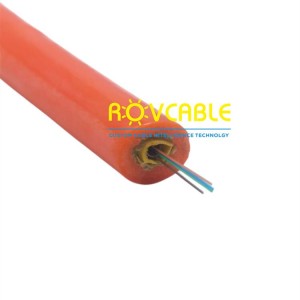
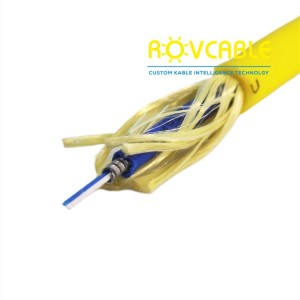
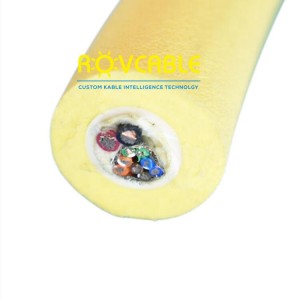
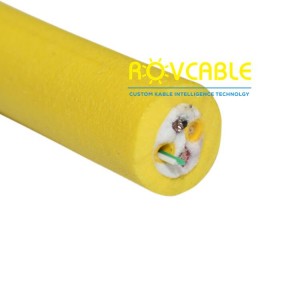
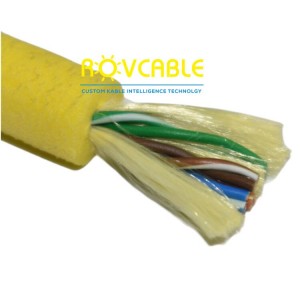
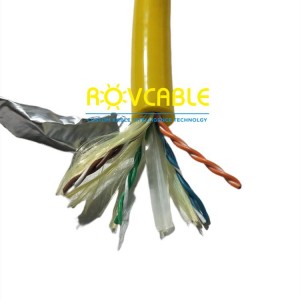
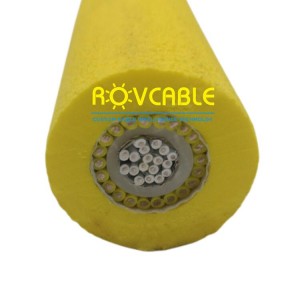
Negative buoyant subsea cable umbilical for offshore power. Dense jacket design for cables that must stay on the seabed or sink to depth in offshore power and umbilical applications.
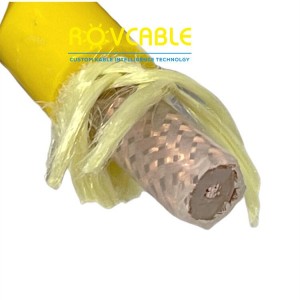
Unlike buoyant ROV tether cables, the negative buoyant subsea umbilical is designed to sink to the seabed and remain there during offshore power transmission and umbilical service. A dense solid jacket (solid PUR, HDPE, or armoured) gives the cable a net negative buoyancy in seawater, ensuring it stays on the bottom without requiring additional ballast. This construction is standard for offshore pipeline, wellhead, and subsea production umbilicals where cable lay-on-bottom stability is required. Note: this product is offered alongside our buoyant tether range to serve installations where negative buoyancy is specified.
| Parameter | Specification |
|---|---|
| Buoyancy | Negative (sinks in seawater) |
| Jacket | Dense solid PUR or HDPE |
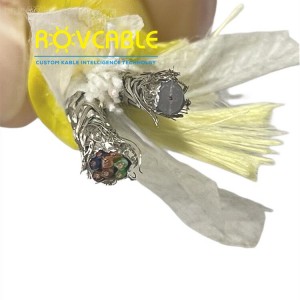
| Power Conductors | Multi-core tinned copper (CSA per spec) |
| Signal Cores | Optional (per spec) |
| Armour | Steel wire armour optional |
| Depth Rating | Up to 3,000 m |
| Voltage Rating | Up to 1,000V |
| Custom | Core count, CSA, jacket, armour, depth rating |
Request datasheet, custom length, or OEM pricing: sales@rovcable.com -- Shanghai Kabel Intelligence Technology Co., Ltd.
Negative buoyancy is achieved by the jacket density alone (no armour needed for buoyancy). Armour (steel wire armour) is added for mechanical protection against seabed abrasion, trawl impact, and anchor damage -- not primarily for buoyancy. A cable can be both negative buoyant AND armoured, or negative buoyant without armour (in protected environments). Specify your depth, seabed type, and mechanical hazard level when ordering.
Yes. Adding a foamed PUR outer jacket layer over the dense cable increases buoyancy. This is used for cable lay-in-water sections where mid-water cable must be neutrally buoyant between two seabed terminations. Contact us for a full cable configuration including the buoyancy-neutral lay-in-water section and negative-buoyant seabed sections.