Published on:2026-05-24 Click:169
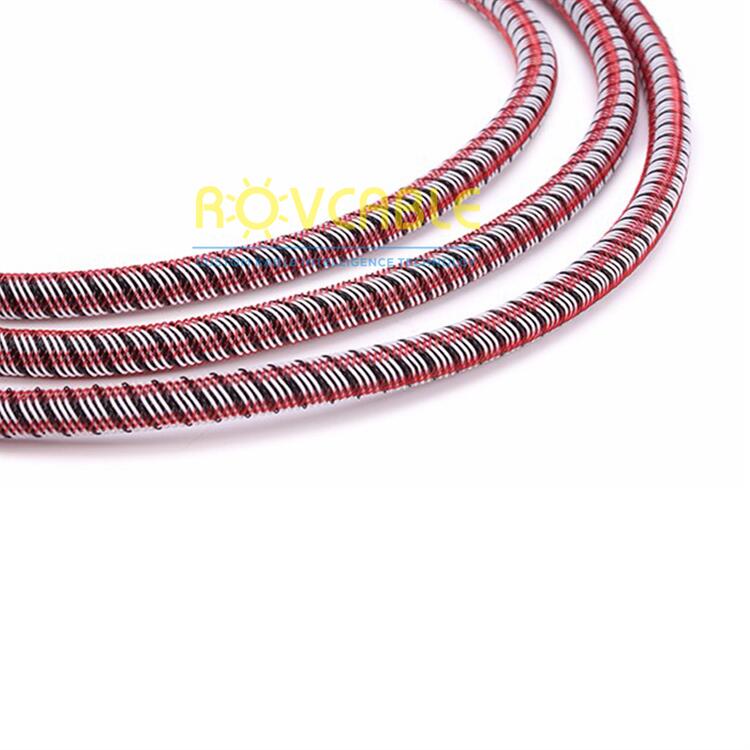
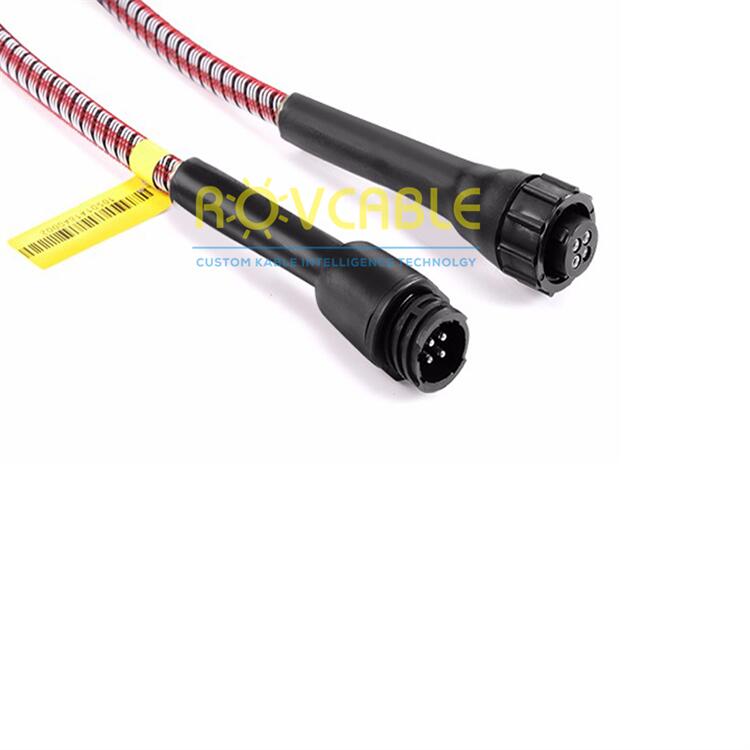
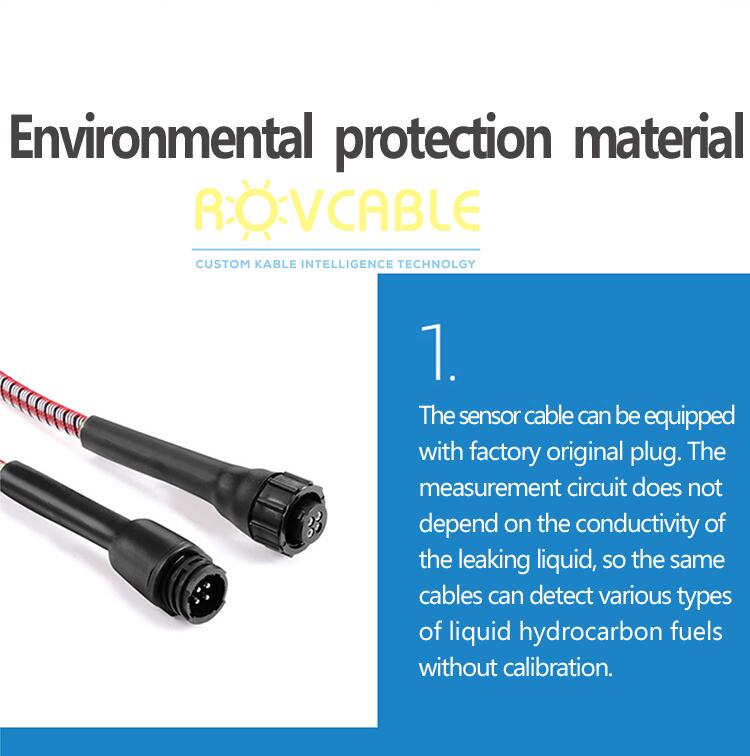
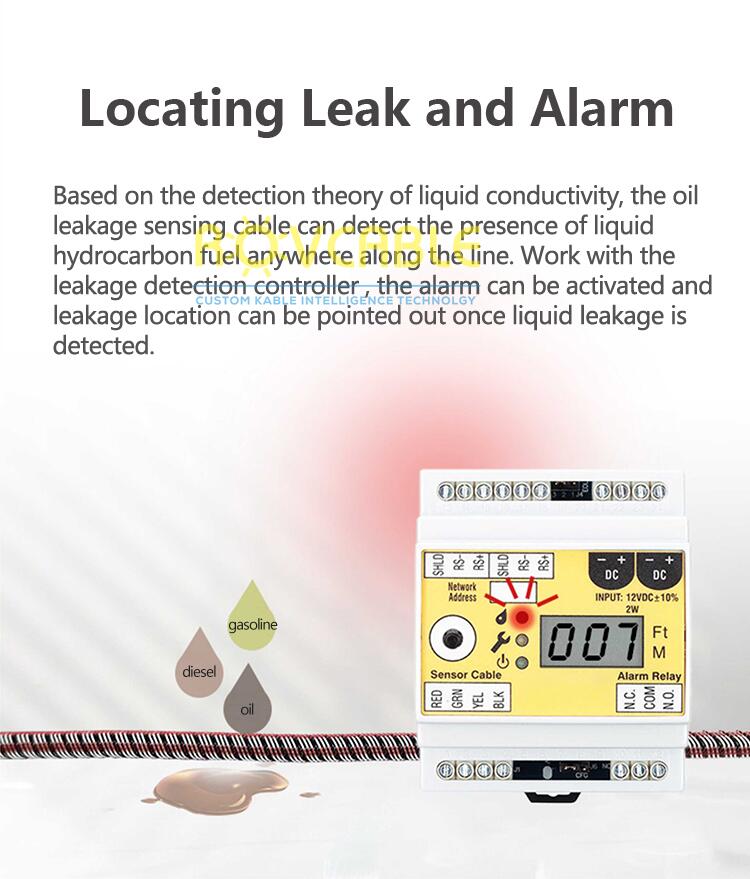
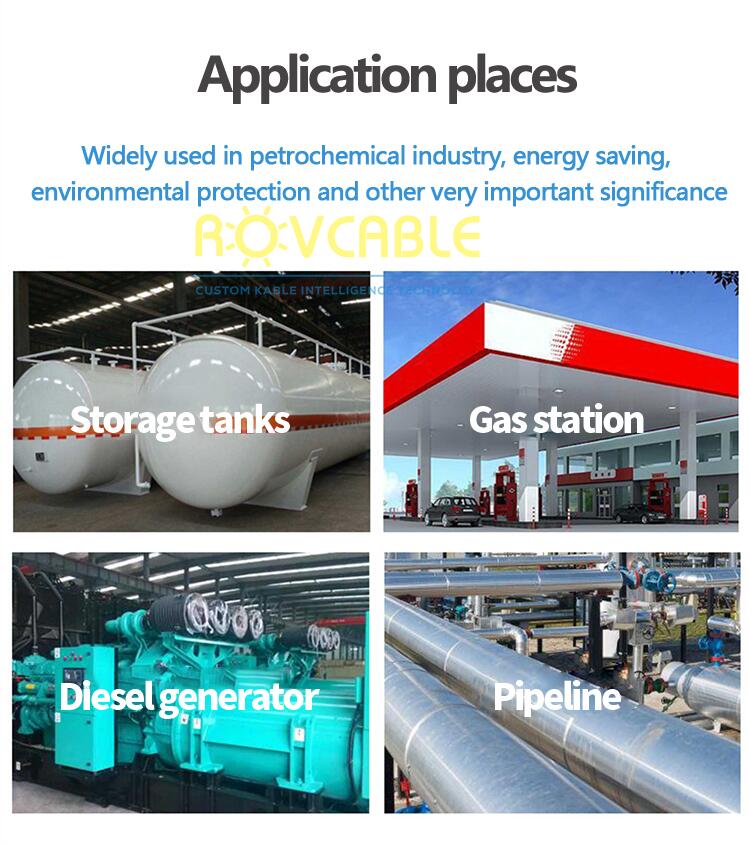
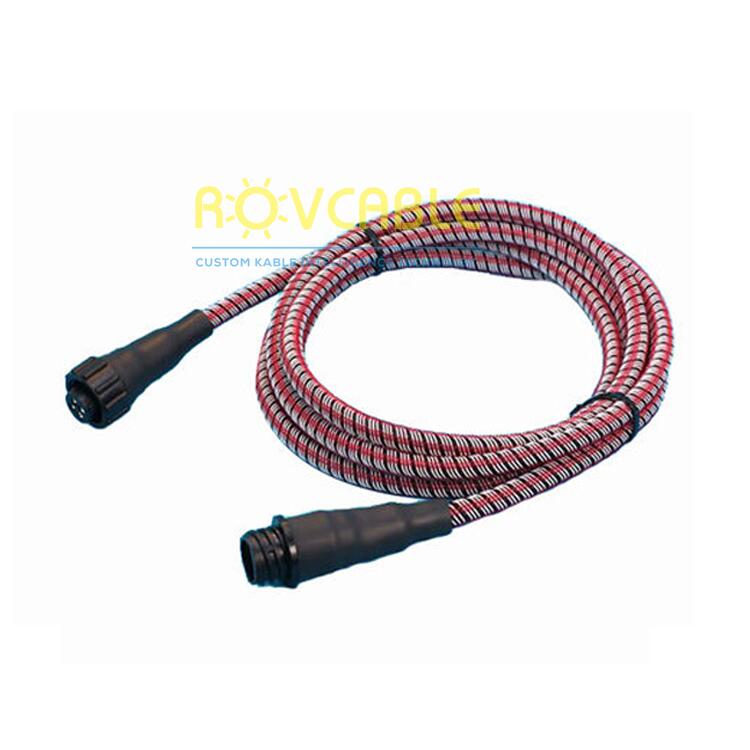
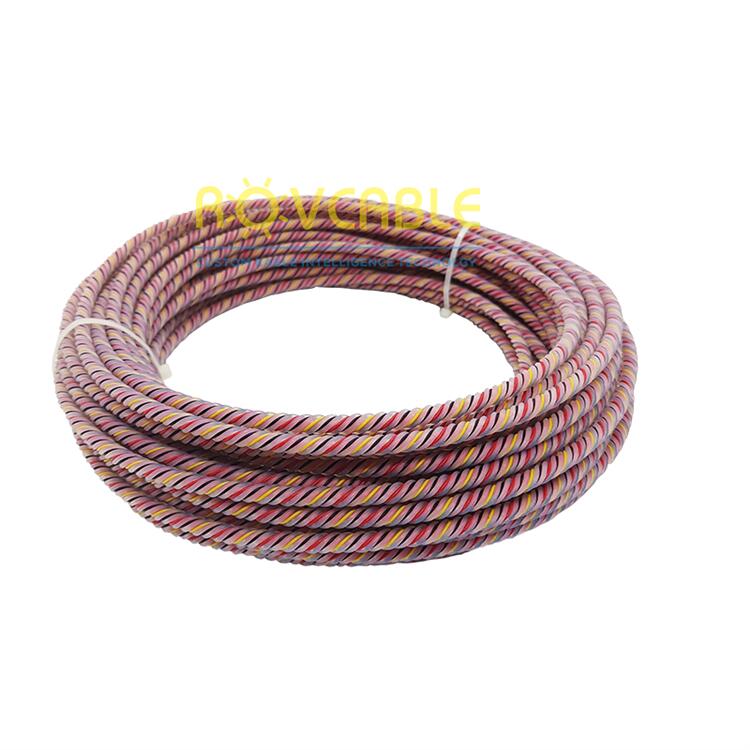
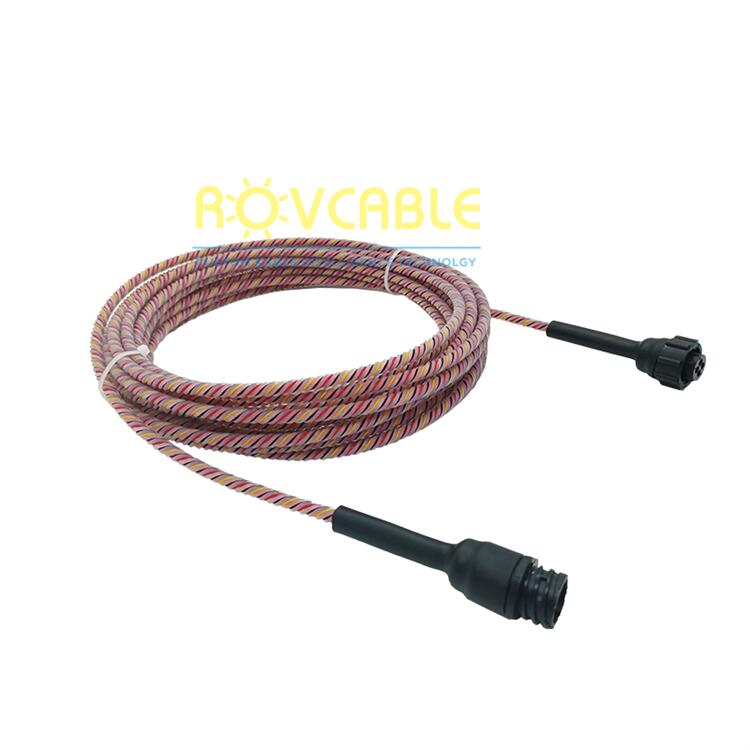
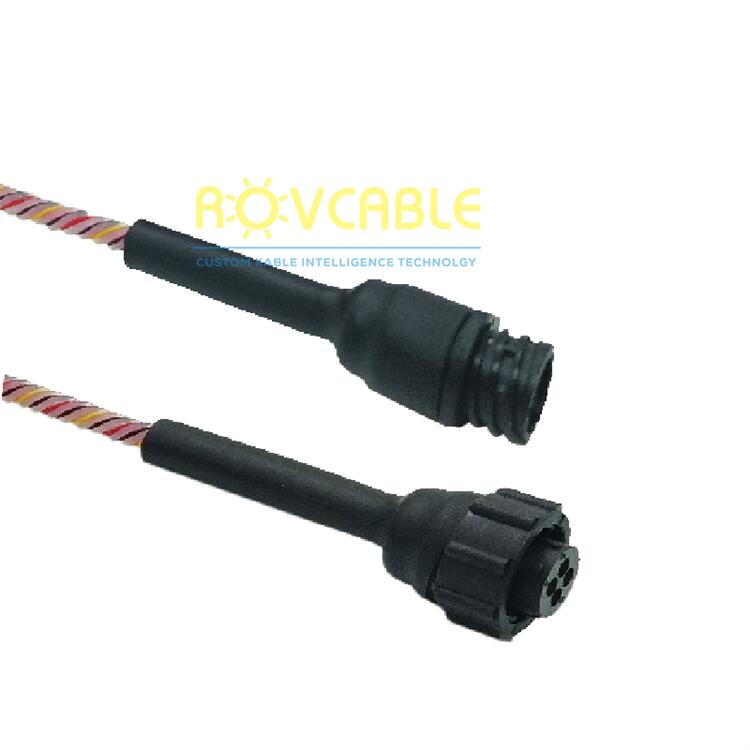
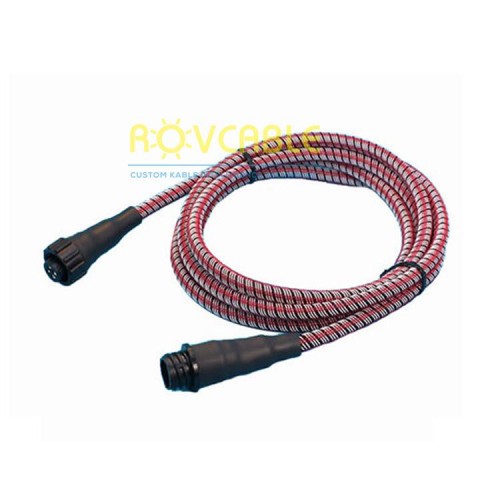
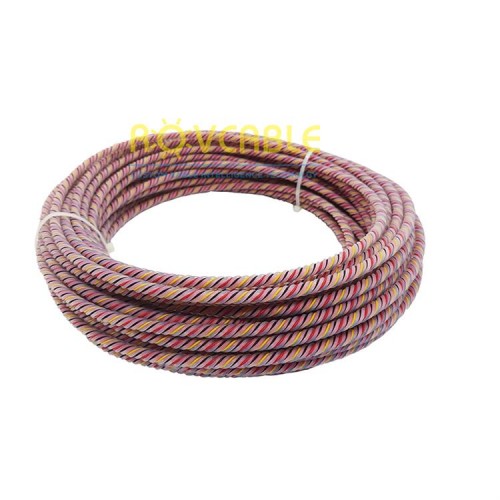
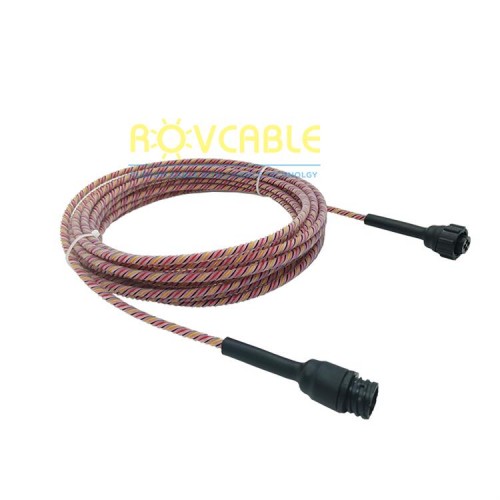
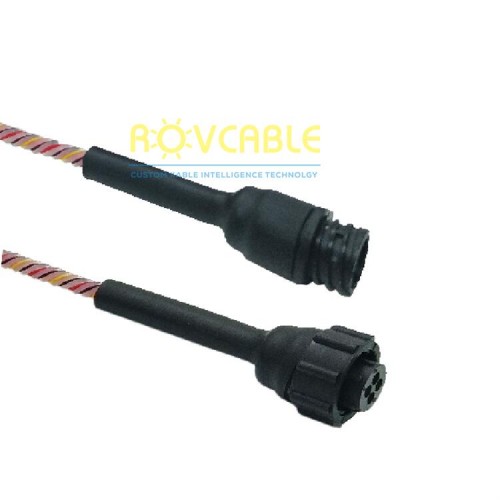
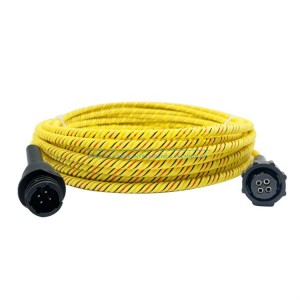
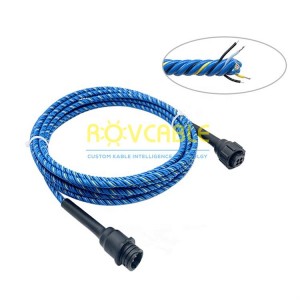
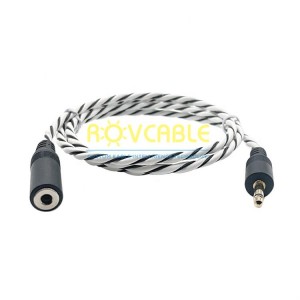
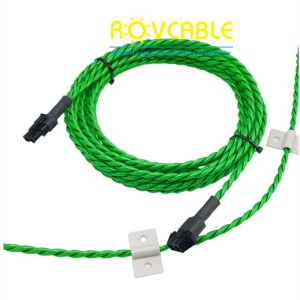
Fuel sensing cable for oil, gasoline, and diesel leakage detection. Hydrocarbons swell sensing element to trigger alarm. For fuel storage, generators, and machinery rooms.
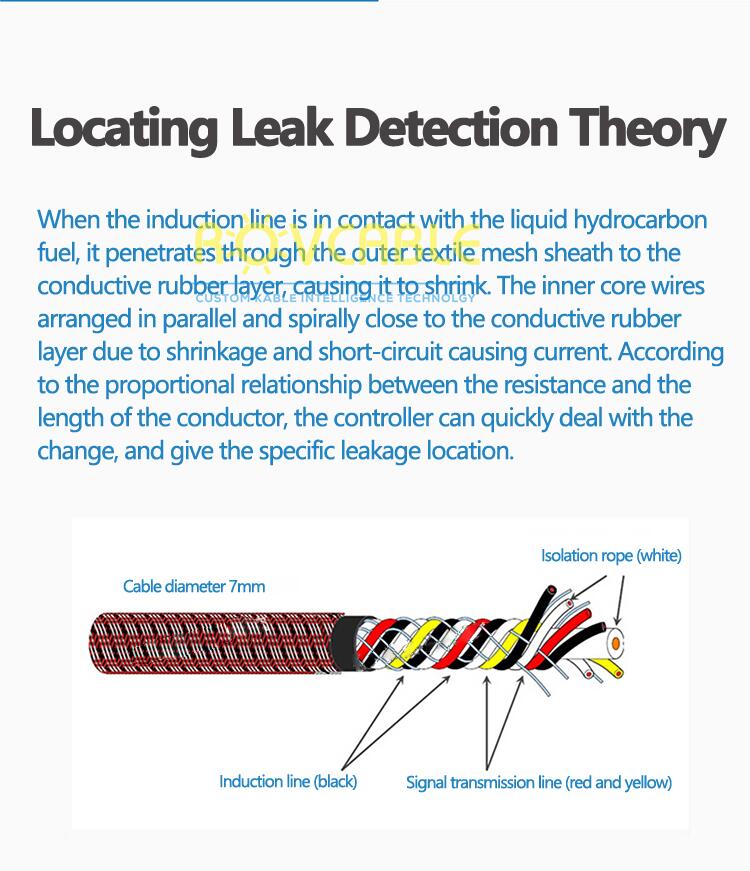
The fuel sensing cable detects leaks of oil, gasoline, diesel, jet fuel, and other hydrocarbons through a unique swelling sensing element: when the sensing material contacts hydrocarbons, it swells, changing the cable's electrical resistance and triggering the connected alarm controller. This provides reliable, fast detection of fuel leaks in environments where water-sensing ropes would produce false alarms or fail to detect the actual hazard.
| Parameter | Specification |
|---|---|
| Target Fluids | Gasoline, diesel, jet fuel, hydraulic oil, lubricating oil |
| Detection Method | Swelling element -- resistance change on hydrocarbon contact |
| Jacket Material | Hydrocarbon-resistant outer sheath |
| Standard Lengths | 5 m, 10 m, 20 m, 50 m, 100 m (custom) |
| Diameter | ~6 mm |
| Response Time | 5--30 seconds (fluid dependent) |
| Temperature Range | -20°C to +60°C |
| Reusable | Limited -- replace after major fuel exposure events |
Specify target fluid type and sensing rope length for a customised fuel detection solution: sales@rovcable.com -- Shanghai Kabel Intelligence Technology Co., Ltd.
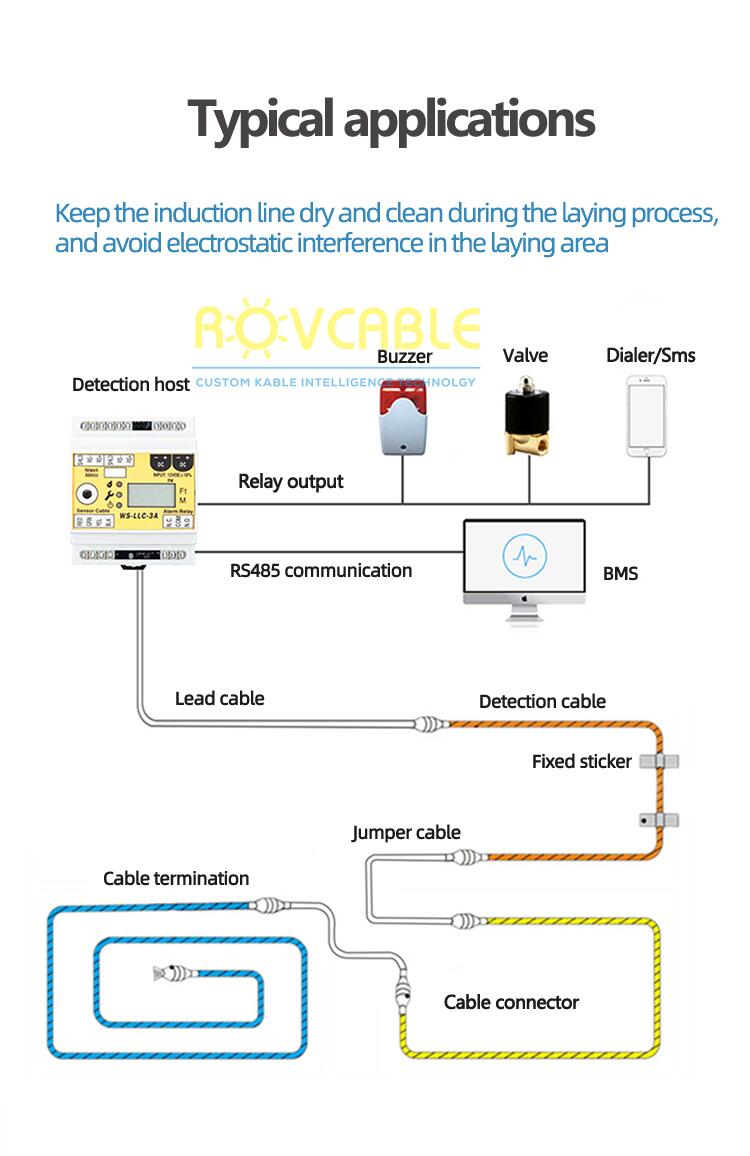
No. Fuel sensing cable is designed specifically for hydrocarbon detection and does not respond to water. For dual-hazard applications (both water and fuel), separate water-sensing rope and fuel-sensing cable should be deployed on the same controller using independent zones.
For minor contact events, clean the rope with isopropyl alcohol, allow it to dry fully, and verify resistance is within specification before reuse. For major fuel spill events where the rope was heavily saturated, replacement is recommended as the swelling element may not fully recover, leading to reduced sensitivity or false alarms.
Contact us for ATEX/IECEx-rated versions of the fuel sensing cable. The sensing rope itself is passive (no active electronics), and with the appropriate certified controller and installation design, the system can be deployed in Zone 1 and Zone 2 hazardous areas.