Published on:2026-05-24 Click:220
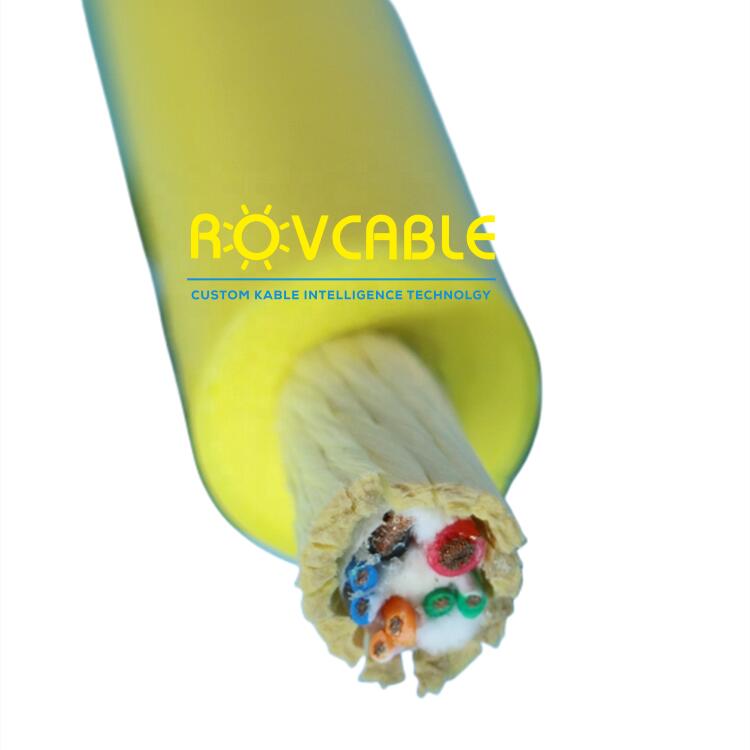
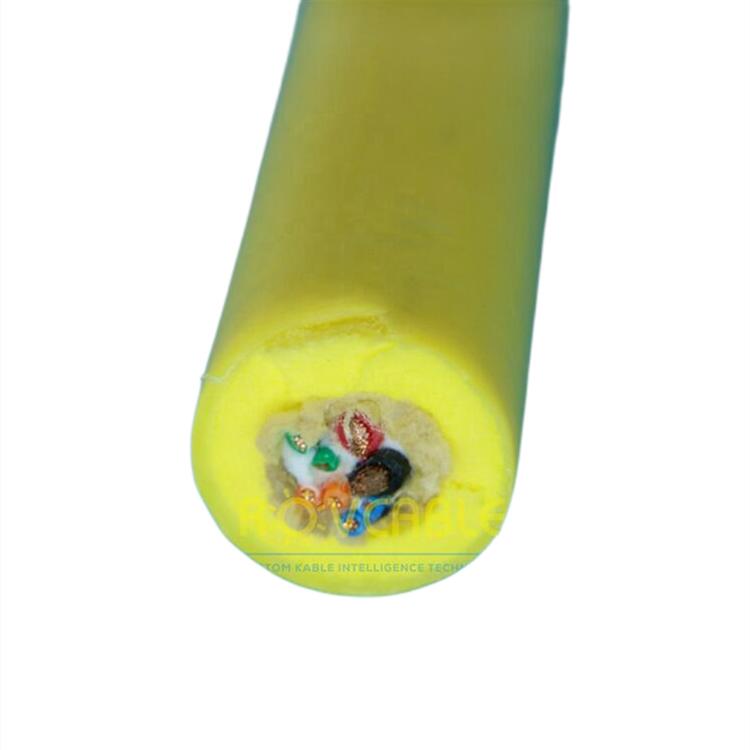
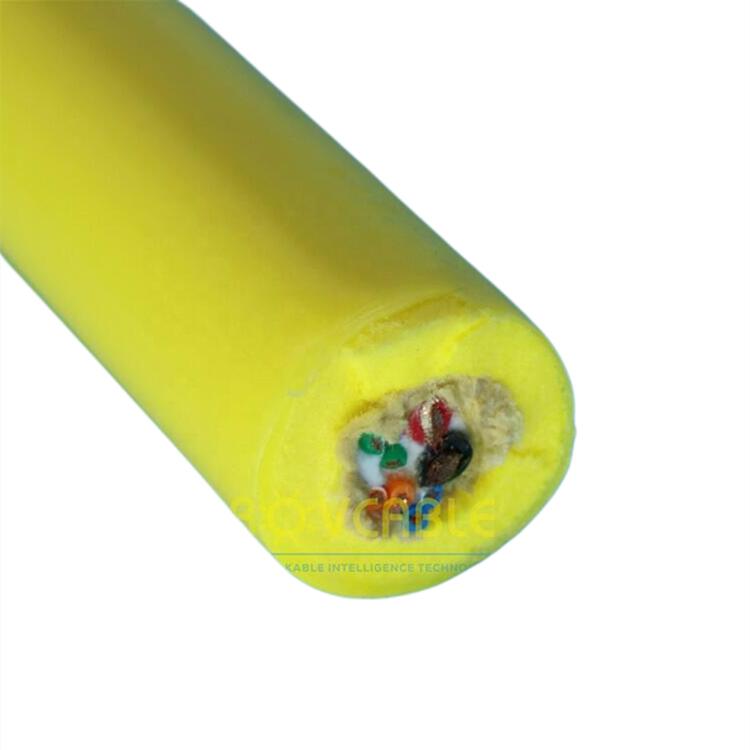
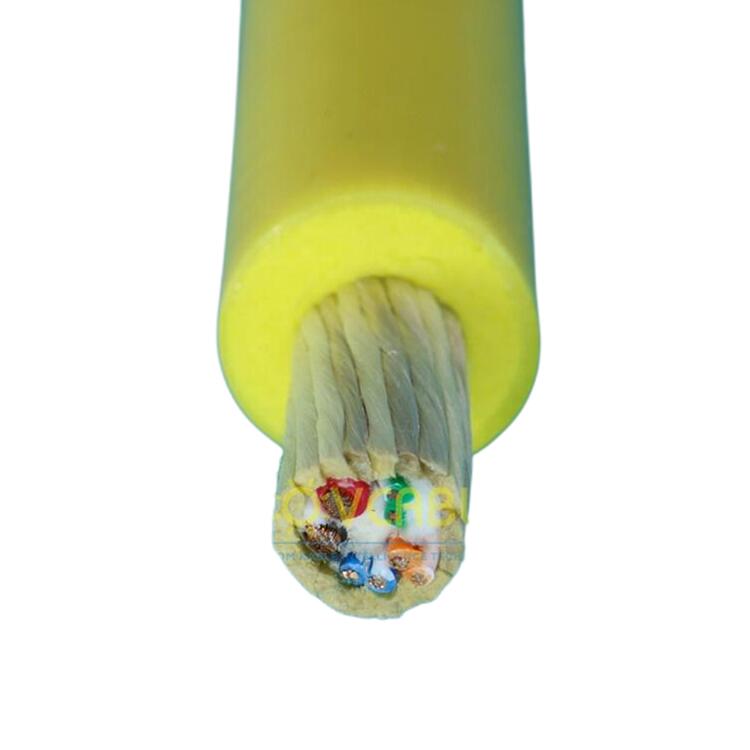
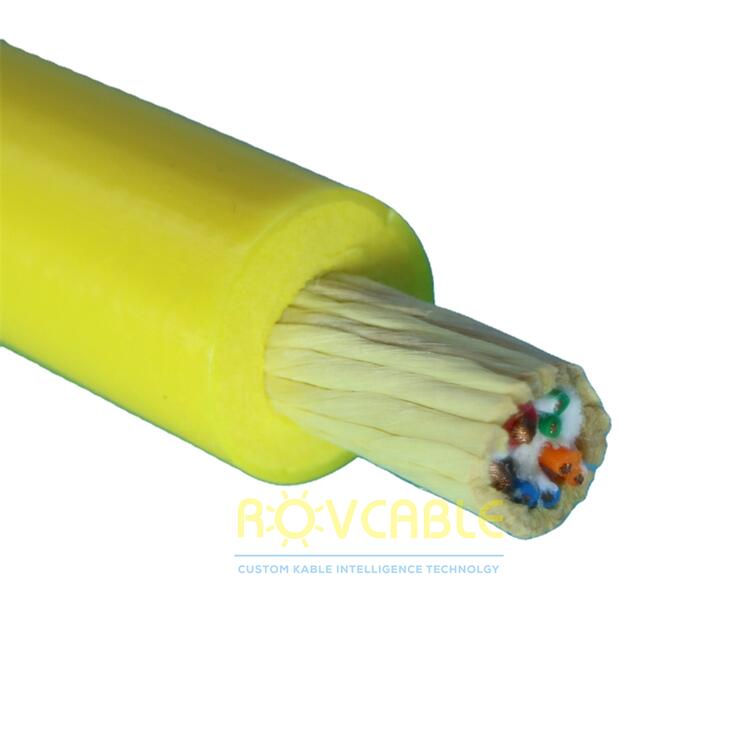
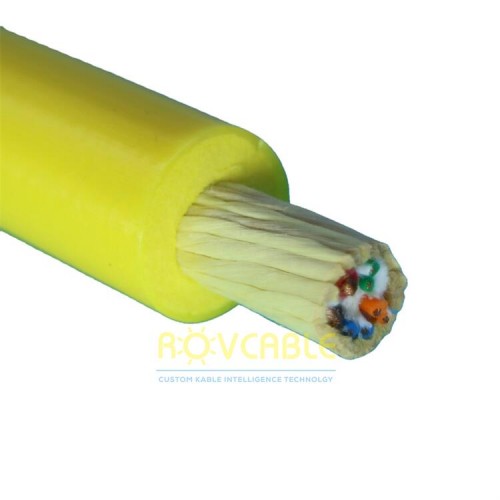
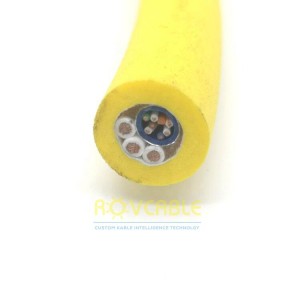
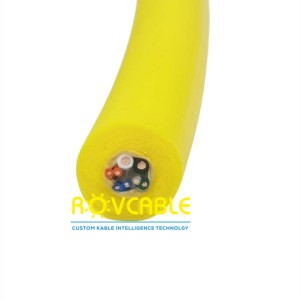
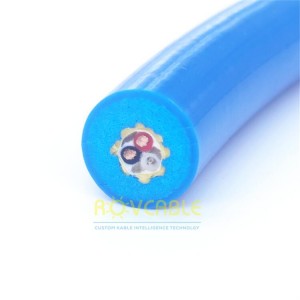
Neutrally buoyant ROV tether with 2000kg Kevlar reinforcement. Foamed PUR jacket for work-class ROV requiring both buoyancy and high tensile strength in the tether cable.
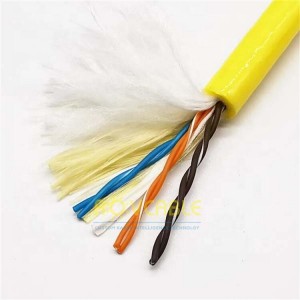
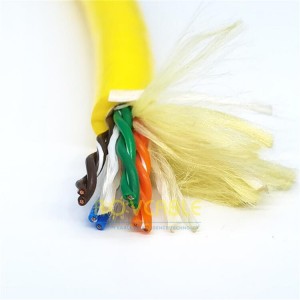
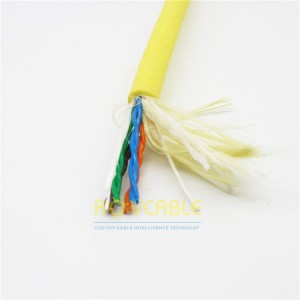
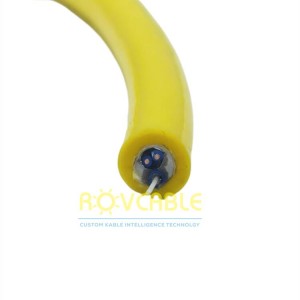
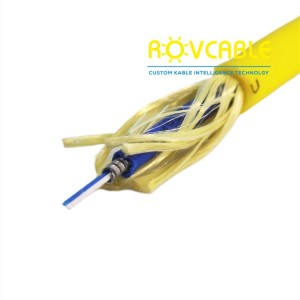
The 2000kg Kevlar reinforced neutrally buoyant ROV tether combines the drag-free performance of a foamed PUR buoyant jacket with the structural strength of Kevlar aramid reinforcement (2000 kg minimum breaking strength, 500 kg working load limit). This tether is specified for work-class ROVs and deep inspection systems where the tether must serve as both the umbilical cable and a safety retrieval rope capable of hauling the ROV back to the surface in the event of a stuck-vehicle emergency. The foamed polyurethane (PUR) jacket uses a micro-cellular expanded jacket compound with a bulk density lower than seawater (~1.025 g/cm³), giving the cable near-zero or positive net buoyancy. This eliminates tether sag and reduces drag force on the ROV, improving vehicle manoeuvrability and reducing tether management workload during subsea operations.
| Parameter | Specification |
|---|---|
| Strength Member | Kevlar aramid braid |
| MBS | 2000 kg (19.6 kN) |
| WLL | 500 kg (4:1 safety factor) |
| Jacket | Foamed micro-cellular PUR |
| Buoyancy | Neutrally buoyant |
| Conductors | Per spec -- power + signal/fiber |
| Depth Rating | Up to 4,000 m |
| Colour | Yellow / black |
Request datasheet, custom length, or OEM pricing: sales@rovcable.com -- Shanghai Kabel Intelligence Technology Co., Ltd.
The jacket is manufactured from a micro-cellular expanded (foamed) polyurethane compound. During extrusion, a controlled foaming agent creates millions of tiny closed-cell air pockets within the jacket wall. These air cells reduce the bulk density of the jacket below that of seawater (~1.025 g/cm³), producing positive or neutral net buoyancy. The jacket retains all the abrasion resistance, oil resistance, and flexibility of standard PUR while achieving the buoyancy needed for ROV tether applications.
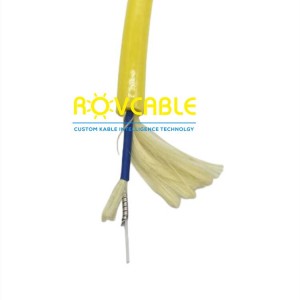
Kevlar aramid is chosen over steel wire armour for ROV tethers for several reasons: (1) Kevlar is approximately 5x lighter per unit strength than steel, minimising tether weight; (2) Kevlar does not corrode in seawater; (3) Kevlar has zero electrical conductivity, eliminating short-circuit risk if the strength member is exposed; (4) Kevlar's high stretch modulus provides minimal elongation under load, giving precise length control. The main limitation of Kevlar vs steel is lower abrasion resistance -- protect the tether from contact with sharp edges.